
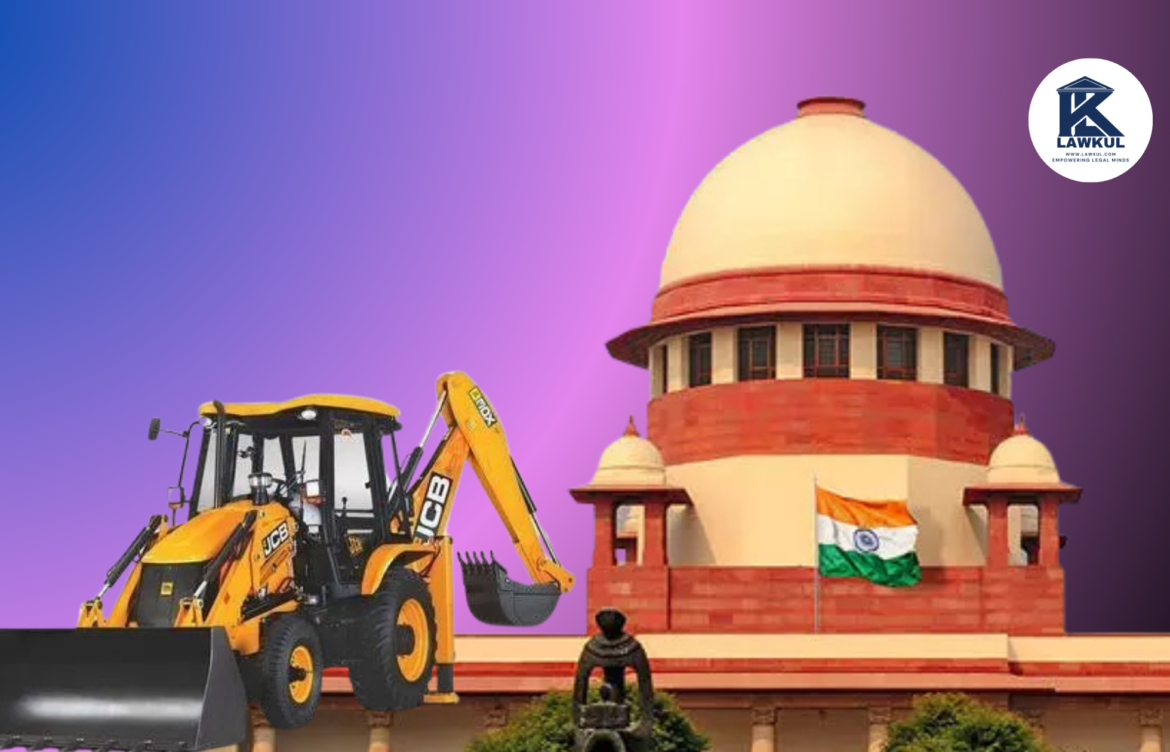
“Shocks Our Conscience”: Supreme Court Slams UP Body for Demolitions, Orders ₹60 Lakh Relief
The Supreme Court has delivered a scathing rebuke to a Uttar Pradesh (UP) local body for its illegal demolitions of residential properties, and has ordered the body to provide ₹60 lakh in relief to the affected families. The apex court’s intervention underscores its firm stance against arbitrary and unjust actions by state authorities.
The case involved the demolition of several houses by a UP local body, which the Supreme Court deemed to be in violation of due process and fundamental rights. The court found that the demolitions were carried out without adequate notice or a fair hearing for the residents, leaving them homeless and destitute.
A bench of the Supreme Court expressed strong disapproval of the local body’s actions, emphasizing the severe consequences of such disregard for the rule of law. The court highlighted the plight of the affected families, who were deprived of their homes and belongings without any recourse.
In addition to ordering the reconstruction of the demolished houses, the Supreme Court directed the UP local body to pay ₹60 lakh in compensation to the affected families. This compensation is intended to provide some measure of relief for the losses suffered by the residents and to serve as a deterrent against future arbitrary actions by state authorities.
The Supreme Court’s order emphasizes the importance of upholding due process and protecting citizens’ rights. The court’s decision sends a clear message that state authorities cannot act with impunity and that they will be held accountable for their actions.
The Court stated, “The local body is directed to pay ₹60 lakh as relief to the affected families, to compensate for the loss of their homes and belongings. This amount is to be paid within a specified timeframe, and the state government is directed to ensure compliance.”
This ruling reiterates the court’s commitment to safeguarding the rights of citizens and ensuring that state authorities operate within the bounds of the law.