
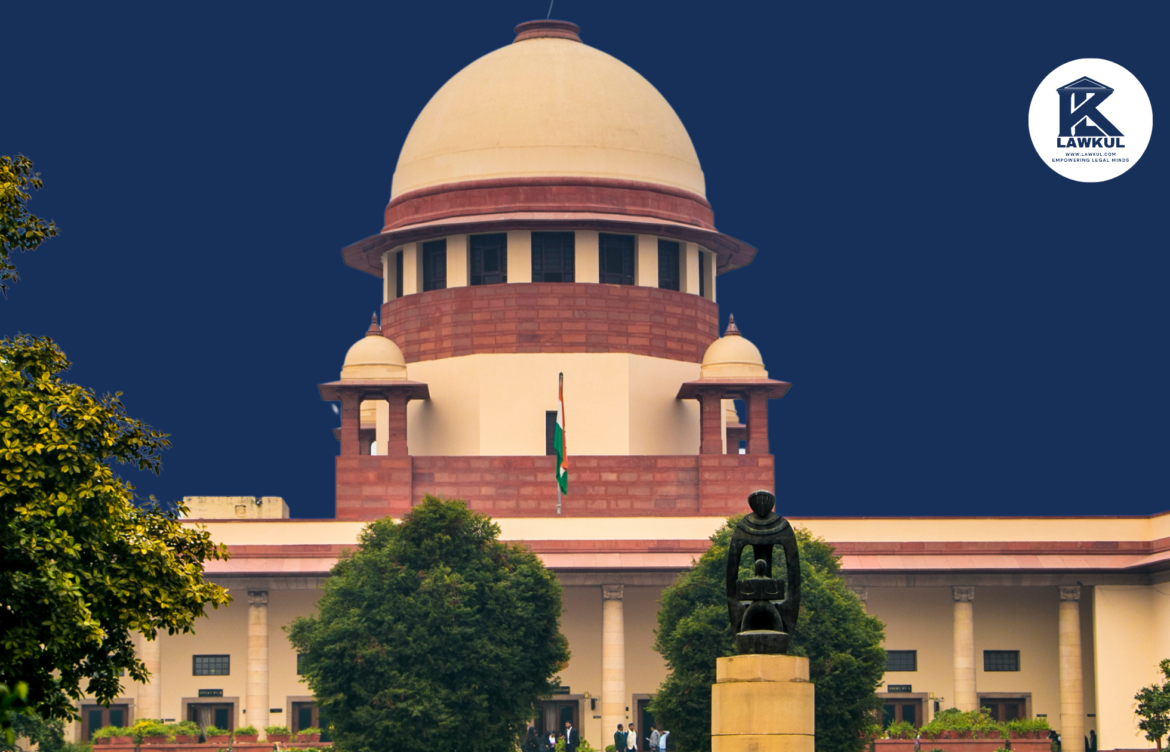
Supreme Court Grants Interim Bail to Convicted Man After Mutual Agreement to Marry Complainant
On May 15, 2025, the Supreme Court of India granted interim bail to a man convicted of rape under the pretext of marriage, following his and the complainant’s mutual decision to marry. The bench, comprising Justices BV Nagarathna and SC Sharma, suspended the man’s sentence to facilitate the marriage.
Case Background
The case originated from a First Information Report (FIR) filed at the Women Police Station in Sagar, Madhya Pradesh. The complainant alleged that she had been in a relationship with the petitioner since 2016, during which he engaged in sexual relations with her under the false promise of marriage. Despite assurances, including a notarized affidavit in 2018 promising marriage, the petitioner ultimately refused to marry her, leading to the FIR.
Judicial Proceedings
The trial court convicted the petitioner under Sections 376(2)(n) and 417 of the Indian Penal Code, sentencing him to ten years of rigorous imprisonment. The Madhya Pradesh High Court upheld this conviction and dismissed his application for suspension of sentence. Subsequently, the petitioner approached the Supreme Court seeking special leave to appeal.
Supreme Court’s Intervention
Recognizing the sensitive nature of the case, the Supreme Court conducted in-camera proceedings, summoning both parties, their parents, and legal counsel for a confidential discussion. During these proceedings, both the petitioner and the complainant expressed their willingness to marry each other. Acknowledging this mutual consent, the Court directed their parents to finalize the marriage details promptly. Consequently, the Court suspended the petitioner’s sentence and granted him interim bail to enable the marriage.
Future Proceedings
The case has been adjourned to July 25, 2025, and marked as part-heard, indicating the Court’s continued oversight of the matter.
Legal Implications
This case highlights the complexities involved when criminal convictions intersect with subsequent reconciliation between parties. While the Supreme Court’s decision to grant interim bail in light of the mutual agreement to marry is notable, it also underscores the importance of ensuring that such decisions do not undermine the gravity of the original offense.