
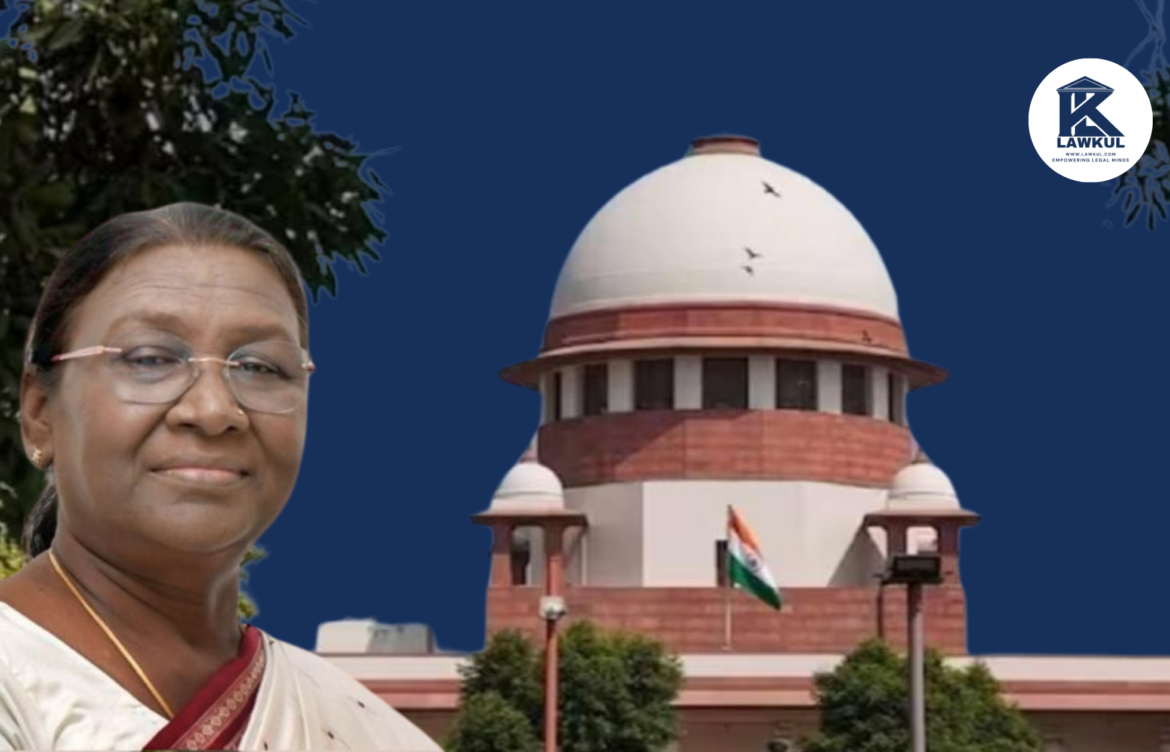
Presidential References Under Article 143: Can the Supreme Court Alter Its Own Judgments?
On May 16, 2025, President Droupadi Murmu invoked Article 143(1) of the Indian Constitution, seeking the Supreme Court’s advisory opinion on 14 questions concerning the timelines for the President and Governors to act on bills passed by state legislatures. This move follows the Supreme Court’s recent judgment in State of Tamil Nadu vs. Governor of Tamil Nadu, which set deadlines for constitutional authorities to grant assent to state bills.
Understanding Article 143 and Its Scope
Article 143(1) empowers the President to refer questions of law or fact to the Supreme Court for its opinion, provided they are of public importance. However, this provision grants the Court advisory jurisdiction, not appellate authority. The Supreme Court has clarified that it cannot use Article 143 to review or overturn its own judgments. In the 1998 Cauvery River Dispute Reference, the Court stated: “We cannot… invite our opinion on the said decision of this Court. That would obviously be tantamount to our sitting in appeal on the said decision, which it is impermissible for us to do even in adjudicatory jurisdiction.”
Thus, the Supreme Court’s judgments between parties can only be altered through its review powers under Article 137, not via a Presidential Reference.
Non-Binding Nature of Advisory Opinions
Opinions rendered by the Supreme Court under Article 143 are advisory and not binding. In The Ahmedabad St. Xavier’s College Society vs. State of Gujarat (1974), the Court observed that such opinions, while carrying persuasive value, do not constitute binding precedents.
Court’s Discretion to Decline Advisory Opinions
The Supreme Court is not obligated to respond to every Presidential Reference. In Special Reference No. 1 of 1964, the Court held that it could decline to answer if it deemed the questions inappropriate or not amenable to judicial determination. The only instance where the Court returned a Reference unanswered was in the 1993 Ayodhya-Babri Masjid dispute.
Implications of the Current Reference
President Murmu’s current Reference raises questions already settled by the Supreme Court in its recent judgment. Given the Court’s established stance that Article 143 cannot be used to revisit its own decisions, it remains to be seen how the Court will address this Reference. The situation underscores the delicate balance between the executive and judiciary in India’s constitutional framework.